When I think about the Boundary Waters, I think about my home — the place I have lived my whole life.
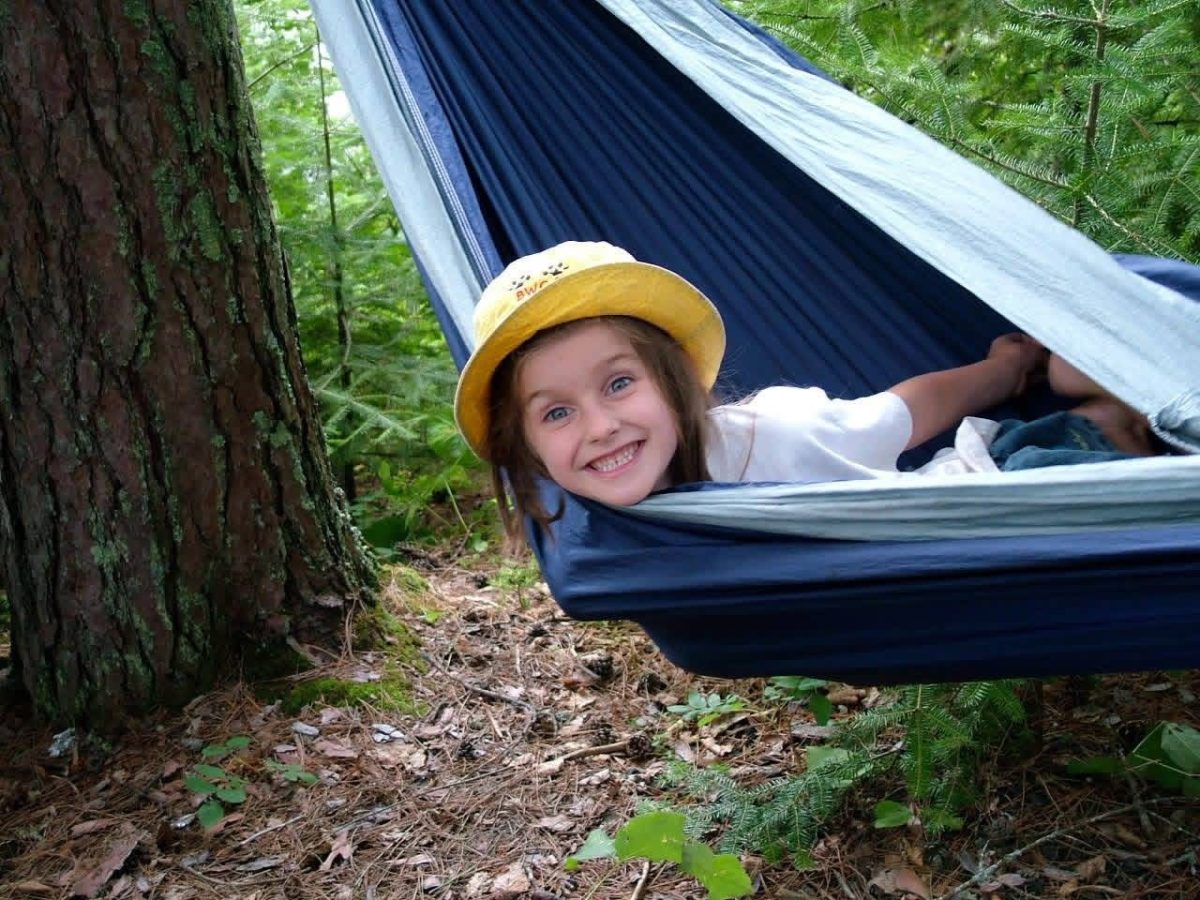
I was born in Ely, Minn., one of the last children born at the Ely hospital. My childhood revolved around visits to my grandmother’s house in the woods and camping trips in the Boundary Waters. It meant wooden sword fights in the forest and learning the ins and outs of camping from my parents.
It wasn’t just summers in the Boundary Waters, but winters, too, when my dad took our family ice fishing. He showed us how to hold the spear before throwing it into a hole cut in the frozen lake. Watching from a small folding chair, I was in awe of what the Boundary Waters could offer. I didn’t want anything to harm it then, and I don’t now.
That is why news that bans on copper-nickel mining may be lifted in the region fills me with sadness and anger. I have heard accounts of copper-nickel mining polluting northern waters and threatening the homes of those who depend on the Boundary Waters. Not just people, but wildlife. Declining water levels could alter shorelines and damage ecosystems, putting species at risk.
My opposition to copper-nickel mining is not just emotional. I understand the economic arguments in its favor. But Ely’s economy depends heavily on summer tourism, driven by the natural environment of the Boundary Waters. From that perspective, lifting the ban could jeopardize jobs tied to tourism and affect entire communities.
I don’t want to see my home disappear. I want to show it to my future children, not describe it as something that once existed. I want to take them to the same woods where I played as a kid and let them create their own memories. With the ban potentially lifted, I don’t know if that future is still possible.