The SGA Academic Affairs sent an email to students on Oct. 29 regarding mid-semester feedback. The feedback is collected via a virtual survey linked to the email. The goal of the survey from the email is to receive reliable data to assess “the impact of receiving (or not receiving) mid-semester feedback on your [students] academic experience” for “impactful, data-driven conversations” with faculty.
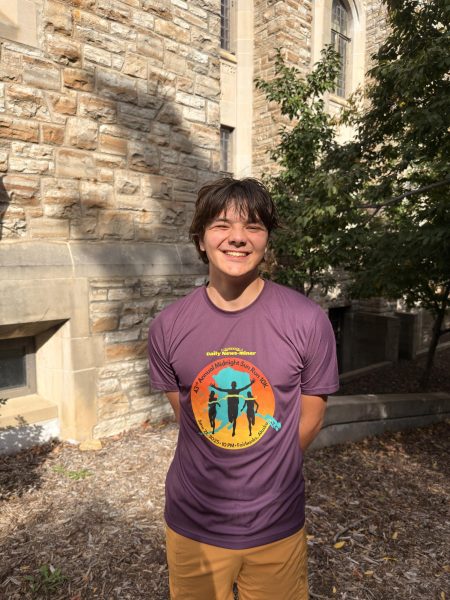
SGA Secretary of Academic Affairs Fortress Okorie ’27 spoke about the creation of the survey and what this feedback means to him.
2025-2026 is the second academic year of the Secretary of Academic Affairs role in SGA. Okorie is the second student to hold the recent secretary position, and he is working on defining the role and his place in the SGA ecosystem. Students’ concerns for academic life would go to SGA, but there was previously no role for those concerns to go to. This position is meant to close that gap.
“I view my primary job as advocacy,” Okorie said in an interview with The Olaf Messenger. “How do we create good conduits for students’ needs across the perspectives of different people?”
One way Okorie is advancing that advocacy is through the mid-semester feedback survey, the first of its kind conducted through SGA. There have been previous retention committee surveys, though specific numbers are not confirmed.
Okorie wrote the initial set of questions, then sent them to the rest of the SGA executive team, retention committee, Professor of Music – Musicology Louis Epstein, Director of Student Activities Brandon Cash ’16, and Provost and Vice President of Academic Affairs Tarshia Stanley.
“There were many cooks in the kitchen, you could say,” Okorie said.
Academic Affairs defined feedback from professors in many ways, which included: written progress reports, graded midterm with comments, in-class check-ins, emails with guidance, and/or majority of assigned work returned with feedback. After a brief assessment of a student’s response, they are asked if there are any requests to how professors provide feedback.
Okorie is determined to define what feedback looks like through each department, then to have that communicated to students.
“I care so much about the positive impact of it [the feedback],” Okorie said. “I find the grade meaningless without the context.”
When asked if this survey was geared towards helping students’ academic anxiety, Okorie said, “One hundred percent.”
“One of the big things, and I have experienced this myself, when you talk to students casually say, ‘I don’t know how I’m doing in my class, and it’s stressing me out,’” Okorie said. “It is a huge stressor for students to be going through the whole semester not knowing how they’re performing in the classroom.”
The survey is slated to unofficially close Nov. 12, however, students will be able to continue to fill out the survey until Okorie begins to research analysis, which is still under construction.
“I hope that people, [both] students and faculty, will be able to realize why we keep talking about this, [and] why this is something we need to pay attention to,” Okorie said. “If you’re going to give me a grade at the end of the semester, and that grade is supposed to be reflective of my ability to reflect and learn and grow, then I think I should be at least given the opportunity to reflect and learn as well, or else, respectfully, I call bulls***.”