In an email to students on Wednesday, Nov. 12, Residence Life announced the relocation of Residential Learning Communities (RLCs) to all be in Ytterboe Hall starting fall 2026.
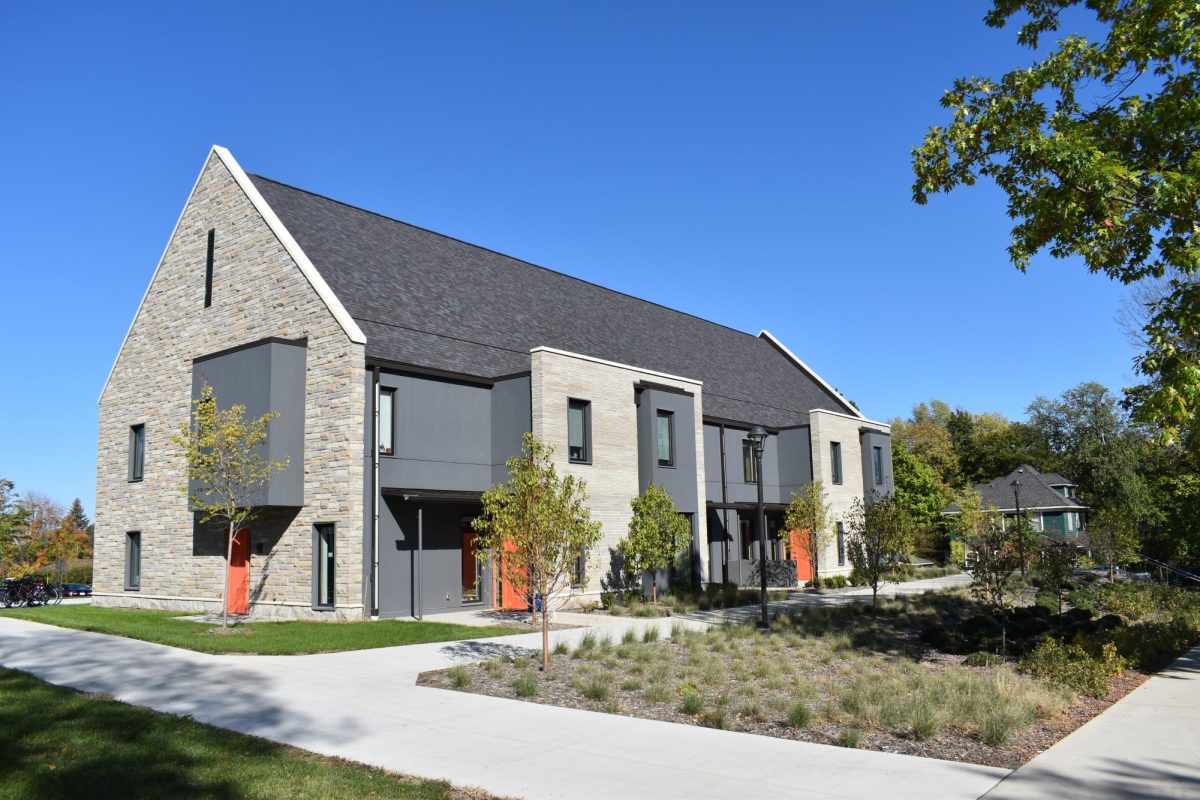
There are currently 10 Residential Learning Communities (RLCs) — three affinity houses and seven language communities. The affinity houses serve students of different identities: Lavender House, established in 2020, supports LGBTQIA+ students; Boone House, created in 2021, is the first house for Black students; and ERITAJ, founded in 2022, is a space for multicultural and international students. Most RLCs are located in the townhouses on St. Olaf Avenue, with the rest housed in Ytterboe.
To accommodate these communities, Residence Life is renovating Ytterboe’s ground floor. The renovated space will allow for 17 RLCs, expanding the program’s current capacity. Vice President for Community and Belonging Eduardo Pazos said in an interview with The Olaf Messenger that other affinity groups have expressed interest in creating their own RLCs — something that has not been possible under the current model.
“We want to multiply our cultural communities and multiply their impact as well,” Pazos said. “We’re hopeful to see what else can flourish now that we have more communities open.”
However, some students have concerns about community building within this new context. In an email interview with The Olaf Messenger, International Student Senator Angela Hifume ’27, who lives in Eritaj, said that the changes have affected her and her RLC deeply.
“We have welcomed countless students, international students into our house, people from so many cultural backgrounds, identities, languages, and lived experiences,” Hifume said. “The townhouse itself played a huge role in that atmosphere. The layout, the shared kitchen, the living room, and the ability to gather as a community made cultural exchange feel natural… A lot of students, especially those who have lived in RLC houses or who hoped to, are upset or confused by this decision.”
The renovations to Ytterboe will include an additional kitchen — which will be prioritized for the RLC program — community storage, as well as meeting and programming space.
“We have more than enough kitchens and space available for students to be able to program, to get together, to cook, to make a meal to share, and to be in community,” Pazos said. “It’s really going to open up the possibility for much more collaboration, for larger events, for being able to cook, and it’s also going to increase the amount of communities that can register.”
Additionally, in the original Residence Life email, another reason that the RLCs are being relocated is to “[bring] all the communities together [to] allow for the maximization of resources for collaboration and effectiveness.”
Hifume understands this sentiment, but disagrees.
“Community is not just about proximity,” Hifume said. “It’s about atmosphere, autonomy, ownership, and the cultural memory of a space. Townhouses offered a sense of independence, warmth, and communal living that made cultural and identity-based RLCs feel authentic and grounded. Placing all RLCs in the same building may increase efficiency, but it risks flattening the uniqueness of each community.”
Pazos and Residence Life will continue to consider future feedback about the RLCs.
“Every single program on campus is constantly being evaluated,” Pazos said. “Student needs and priorities are constantly changing.”