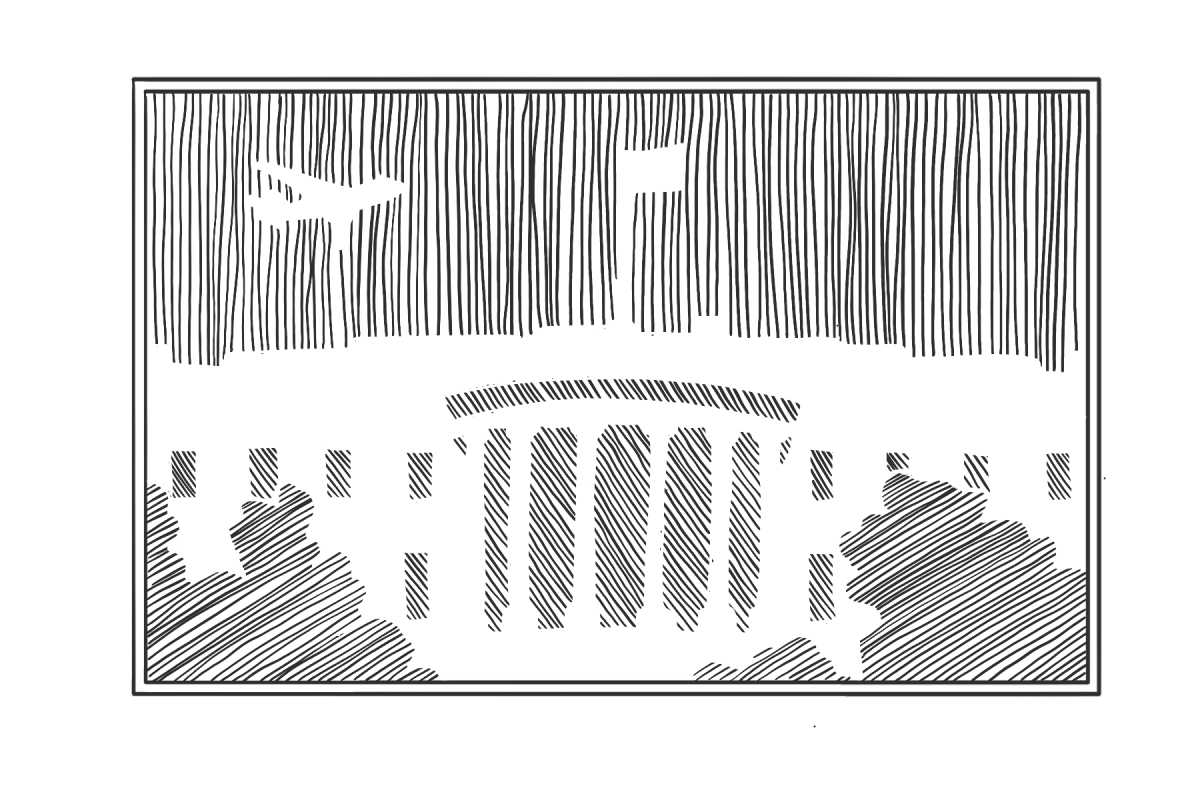
The U.S. government entered a shutdown on Oct. 1 after Congress failed to pass a funding bill, leaving federal agencies with limited funds. The shutdown has increasingly affected flights and airports.
Transportation Security Administration agents and air traffic controllers are considered essential workers, so they must continue their duties despite not being paid. The Federal Aviation Administration has promised back pay once the government reopens, covering the 43 days of missed pay — roughly two paychecks. However, going unpaid has caused frustration among these workers.
The strain intensified after one of the worst weekends for flight cancellations and delays in recent years. The FAA imposed a mandatory flight reduction to address safety concerns amid increased air traffic, requiring airlines to cut 6% of flights as of Friday, Nov. 14.
The disruption has been particularly challenging for students traveling home for Thanksgiving, especially those with long-distance flights.
“I’m flying to Denver International Airport,” said Avie Carter-Wilder ’27. “I’m very upset, and I think a lot of people are being impacted by it negatively.”
Kumiko Muro ’28, flying to Chicago Midway Airport with Southwest, said the situation has been stressful. “Northfield is just far enough that I can’t get home by myself, and I don’t have a car here,” she said.
Both students are facing airports with higher numbers of cancellations and delays. Finding alternative flights can be difficult or costly.
“I thought about driving, but it’s 14 hours, so it would take up a lot of time for a short break,” Wilder said. “I most likely will stay on campus if my flight is canceled.”
“One of my parents will have to drive down to get me, or I will stay with my grandparents in the city and look for another flight or take the train,” Muro said.
Although more air traffic controllers have returned to work, the FAA anticipates continued cancellations and delays as Thanksgiving travel begins, leaving uncertainty for many travelers.