


For years, many of Emily Carroll’s patients had to live untreated, delaying cancer screenings or avoiding treatment because they simply couldn’t afford care.
When those patients finally gained access to Medicaid coverage, the change was tangible.
“Medicaid for me is transformational,” said Carroll, lead nurse practitioner at HealthFinders Collaborative and assistant professor of nursing at St. Olaf College. “When people finally have coverage, they can get the screening tests, the surgeries, and the medications they need.”
Now, uncertainty around federal Medicaid funding is raising concerns for providers across Minnesota after the Trump administration announced plans to halt roughly $259 million in payments to the state while investigating alleged fraud in social service programs.
Under Medicaid, the federal government shares costs with the states to provide health coverage to low-income residents, seniors, and people with disabilities.
Minnesota officials quickly challenged the move in court. In a statement announcing the lawsuit, Attorney General Keith Ellison said the federal government had “weaponized Medicaid against Minnesota as political punishment.”
Medicaid provides health insurance to more than one million low-income Minnesotans. As of 2025, one in five Rice County residents was receiving medical assistance.
For clinics like HealthFinders, a nonprofit community health center in Rice County, Carroll said that the program has helped patients access care that was previously out of reach. Many of her patients once qualified only for emergency medical assistance, which covers treatment only for life-threatening conditions. That meant patients often experienced delayed care for serious medical issues.
“I had patients with positive cancer screenings who couldn’t get a colonoscopy because it costs around $10,000,” Carroll said. “Others had severe gallbladder pain but couldn’t get surgery unless it became an emergency.”
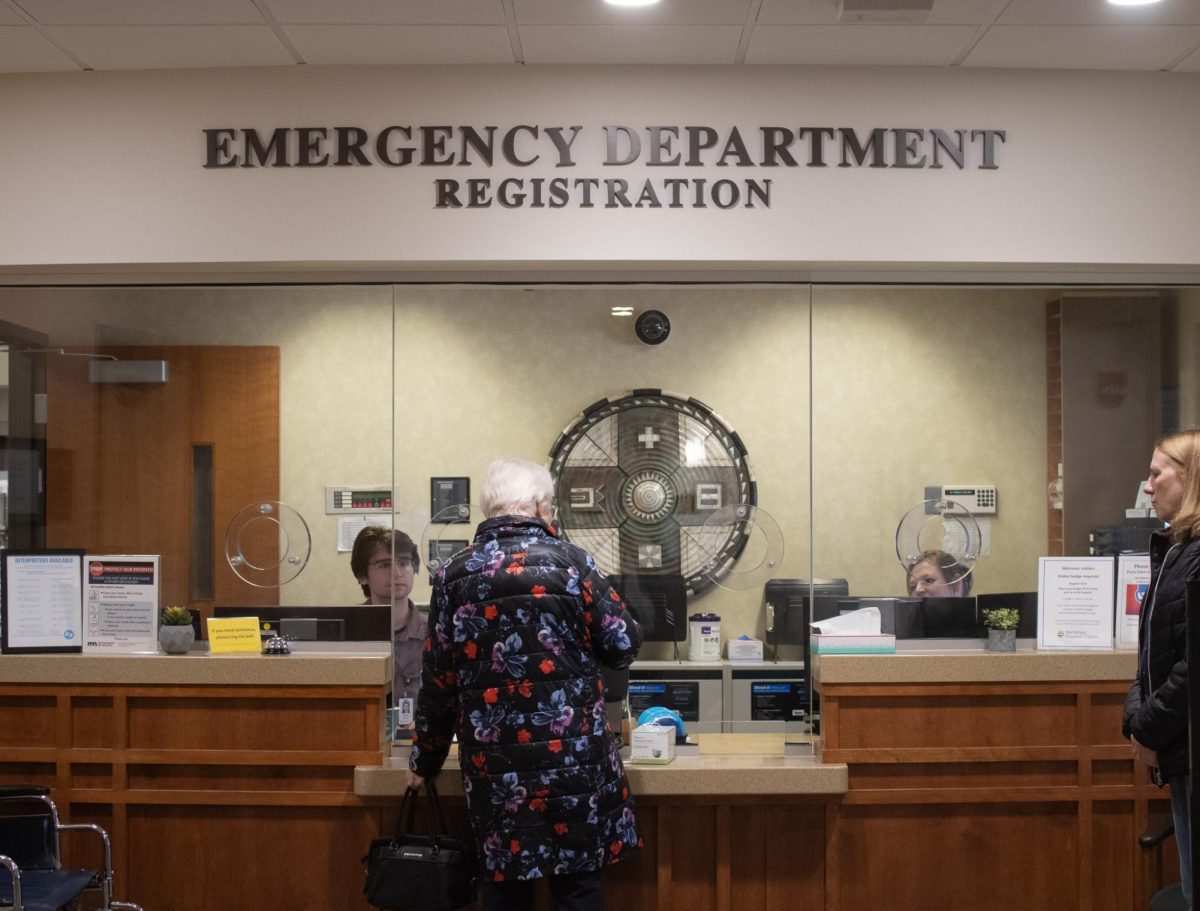
Carroll said the pause in funding comes at a time when it is needed more than ever.
In 2025, Minnesota expanded eligibility for MinnesotaCare, the state-subsidized health insurance program, to include more adults — including undocumented residents who met income requirements. Carroll said the policy allowed many patients to access specialists, certain medications, and preventive screenings for the first time.
But when that coverage was rolled back during last year’s legislative session, some patients again lost access to care in 2026.
“I’m seeing people who were finally on waitlists for specialists and then lost their insurance before they could be seen,” Carroll said.
Organizations that rely heavily on Medicaid say funding disruptions could have serious consequences. At Laura Baker Services Association, which provides housing and support for people with intellectual and developmental disabilities, Medicaid pays for most services — 40% to 60%, to be precise.
“If those funds disappear, people lose the support that allows them to live their daily lives,” Executive Director of Laura Baker Services Association Sandi Gerdes ’83 said in an interview with The Olaf Messenger.
Gerdes said providers already operate on tight budgets because Medicaid reimbursements cover only part of the cost of services. Due to this, even delays in payments can create problems. If reimbursements are paused or slowed, organizations like Laura Baker may struggle to maintain services.
“If you need help getting out of bed, eating, or taking a shower, and that support disappears, there are dire consequences,” Gerdes said. “People will die without that level of care.”
At Northfield Hospital + Clinics, roughly 11% of the hospital’s revenue comes from Medicaid reimbursements, according to President and CEO Xander Abbott. During an October 2025 forum on Medicaid policy changes in Rice County, Abbott said overlapping federal funding changes under the One Big Beautiful Bill Act could reduce the hospital’s annual revenue by an estimated 3% to 9%.
In a statement to The Olaf Messenger, Abbott said that the paused federal payments have not affected operations at the hospital as of now, but they will continue to track developments.
Still, providers say Medicaid plays a major role in the broader health care system, particularly in rural communities — such as Rice County — where hospitals serve more low-income patients.
Carroll said the program fills in gaps in care for patients in these rural communities, where transportation and provider shortages can make accessing treatment difficult, with many of her patients traveling long distances to receive care. Medicaid-funded transportation services often make those visits possible.
“I have patients in recovery whose medical transportation picks them up at five in the morning to take them to a methadone clinic and then brings them back so they can start their workday,” Carroll said. “Medicaid covers that, and it keeps people in treatment and able to keep working.”
Gerdes said she and other providers are now looking to state lawmakers for a clearer plan as the rhetoric against Medicaid funding continues.
“This is not just Laura Baker,” Gerdes said. “This is all providers in this industry that are saying, ‘What’s the plan?’”