On March 17, the Northfield City Council voted to submit an application for an $800,000 grant to fund the final design and construction plans for the removal of the Ames Mill Dam. The motion to submit the grant application passed on a 3-2 vote. The grant seeks state funding through the Environment and Natural Resources Trust Fund (ENRTF).
According to Public Works Director and City Engineer David Bennett, the ENRTF grant funding would cover most of the estimated $1.07 million design phase. The city would then be responsible for a 25% match, taken from the storm water fund. No city money has been spent at this point.
The possible removal was introduced in the 2020 Riverfront Enhancement Action Plan, which aims “to create enthusiasm and identify actions necessary to further enhance Northfield’s riverfront parks into an exciting regional experience.” The action plan includes a feasibility study regarding removal of the dam and replacing it with a rock rapids system.
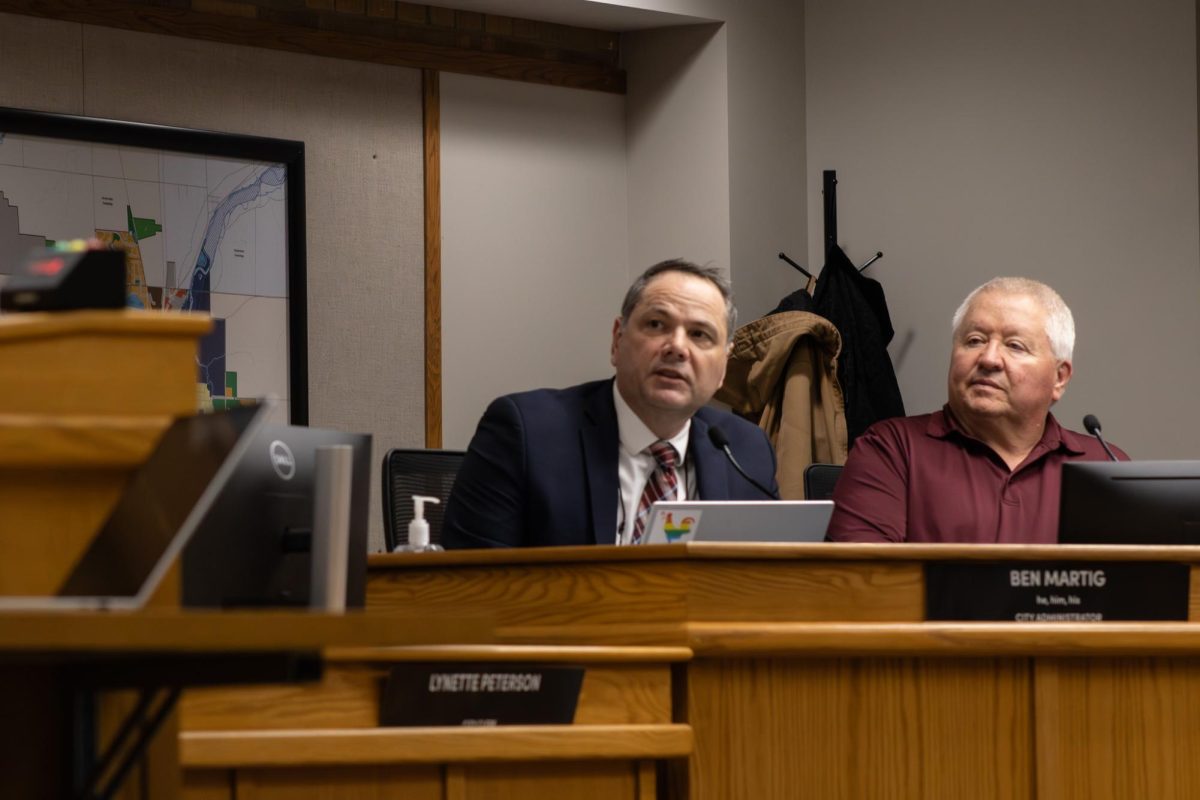
Currently, negotiations are taking place with Post Consumer Brands to transfer their ownership of the dam to the city. According to City Administrator Ben Martig, “the grant application does allow the ownership to be in negotiation,” and both entities remain open to working collaboratively on this project.
However, the reconstruction has raised questions among community members regarding what the project will mean for the historic downtown area.
The Ames Mill Dam, while no longer functional, remains a focal point of downtown Northfield and is closely tied to the identity of the city. It was built in 1855 by the founder of Northfield, John North, and was reconstructed into the existing concrete dam by Campbell Milling Company in 1918.
According to the grant application, although the dam remains historically significant, it has become an environmental and public safety hazard. The reconstruction would seek to improve safety by removing the “drowning machine” hydraulic roller created by the flow over the dam, improving the ecology of the river by allowing fish and other aquatic organisms to pass through and integrating the site into future park improvements.
The project is still in the exploratory phase. In the meeting, Council member Jessica Peterson-White said, “I think it’s important for people to be clear that this is exactly what the motion says it is. It’s a submission of a grant application.”
There are still many unanswered questions regarding the cost and logistics of the project, which will become more clear as it advances.
Disclaimer: The original publish date for this article was March 25, 2026. The article title was updated March 26, 2026 for clarity.