As the College expands access through its financial aid policies and increasing incoming class sizes, it is important to ask what is the trade off for its supposed affordability.
In recent years, St. Olaf’s incoming classes have grown noticeably. The Class of 2026, for example, arrived with about 869 students, larger than the college’s historical norm. That growth stands out at a time when many small liberal arts colleges, particularly in the Midwest, are facing declining enrollment due to demographic shifts and a shrinking pool of college-age students. Nationally, enrollment at private nonprofit colleges has remained relatively flat or declined slightly over the past decade, making St. Olaf’s expansion a deliberate choice.
That choice is closely tied to how the College uses its endowment.
College endowment refers to all the funds and assets a college or university receives from donations, typically invested to generate returns over time. Across U.S. higher education, endowments collectively total well over $800 billion, though they are heavily concentrated among a small number of elite institutions.
Endowment is important to understand because the way it is used arguably determines the identity and mission of the institution. At St. Olaf College, that mission is explicitly rooted in access and inclusion. The college states that “excellence in the liberal arts is possible only when people of diverse backgrounds, experiences, and ideas come together in a spirit of mutual respect and inclusion.”
In recent years, St. Olaf has increased its investment in financial aid, with more than half of students receiving need-based assistance and the college awarding tens of millions of dollars annually in aid packages. Like many liberal arts colleges, St. Olaf relies on a mix of tuition revenue — which typically accounts for 70-80% of operating income at similar institutions — and endowment draws to sustain these commitments.
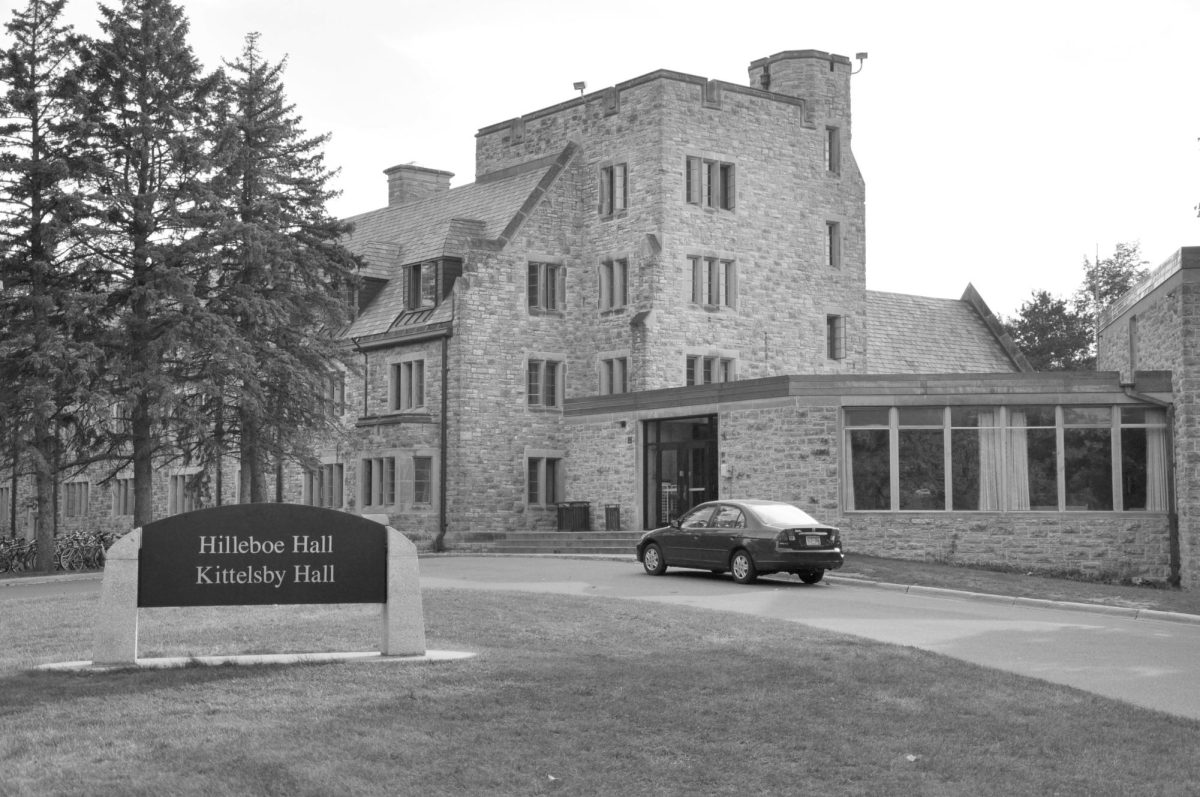
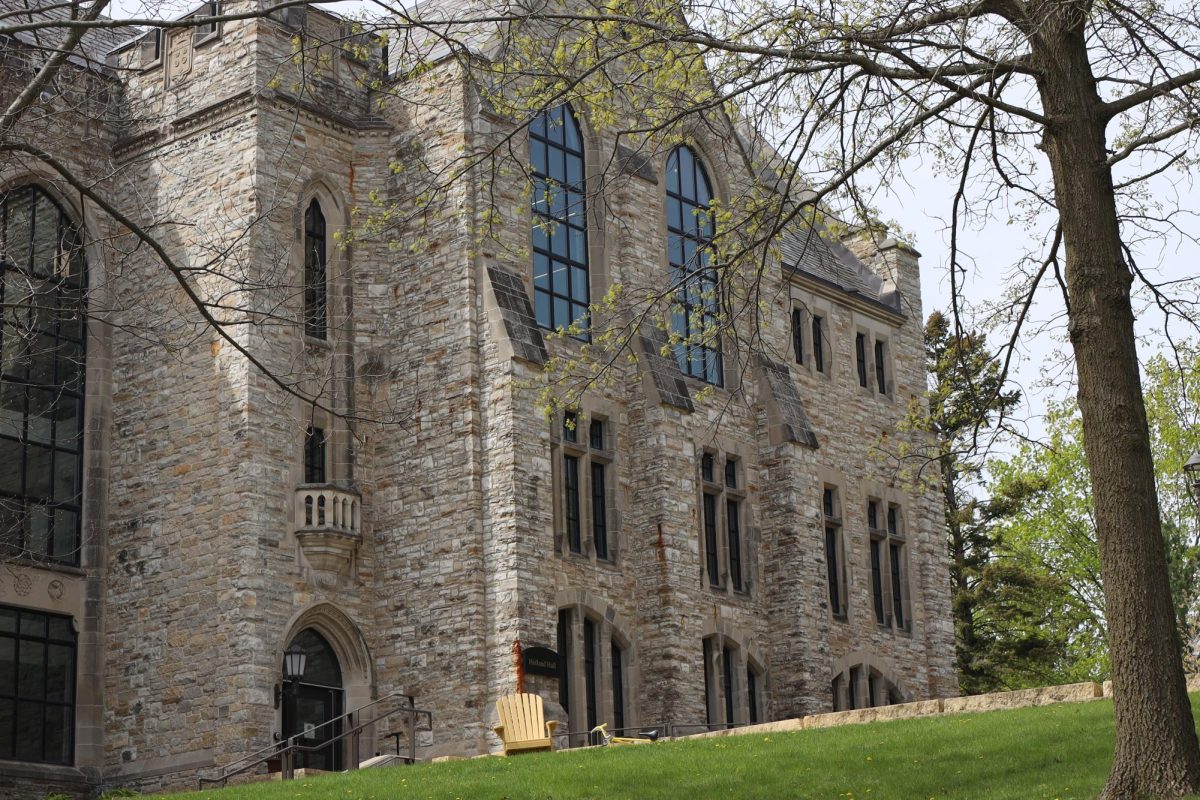
Despite the College’s public statements on support, sentiments on campus do not always align with that mission. For many, as the years went on, the crowding on campus has worsened, with long lines to Stav and The Cage and classes reaching capacity faster than ever at registration time. Housing has been a long-standing issue, with its department shutting down then reopening the off-campus options. Students have also complained about Bon Appétit and meal plans, with flex dollars not seeming to be enough for many individuals.
Academic departments are experiencing insufficient support and funding. For instance, professors and students in the art department have mentioned being underfunded and having a lack of support to continue work at their full capacity.
To better understand whether or not St. Olaf is sacrificing prestige for accessibility, we need to find our definition of prestige, as well as our standard for a quality education.
Sophia Gonzaléz ’26 believes that St. Olaf’s prestige is defined off the Hill, not on it: “The most relevant manifestation of prestige for Oles comes after St. Olaf. I feel like [St. Olaf] has given me the skills to network and connect and help myself.”
For Callista Robertson ’26, prestige shouldn’t be the objective. Instead, it should be about helping departments be equipped to support their students. In an interview with The Olaf Messenger, she said that the sociology and anthropology department has the appropriate amount of professors to reach student demands. Robertson adds that the College should be more aware of the campus’ natural capacity.
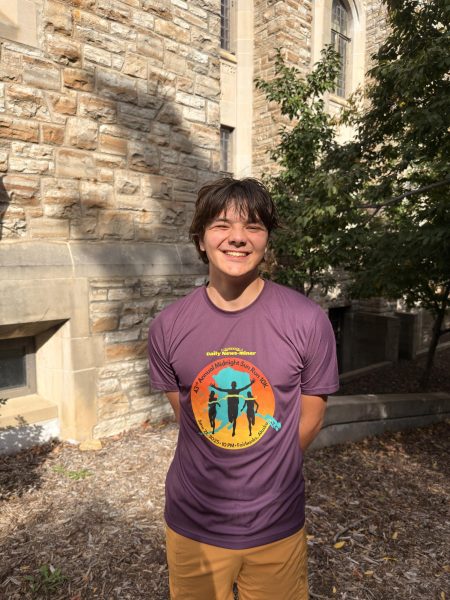
If asked, many students will say that St. Olaf’s financial aid program is a major reason they enrolled. Roughly 99% of incoming students receive some form of financial aid, and the average need-based award can exceed $51,900 per year. For many, that makes a private liberal arts education possible in the first place. I personally have been able to get through undergraduate debt-free because of St. Olaf’s financial aid, and I’m grateful to be here. I have had an incredible experience here academically, both inside and outside of my major. I’ve learned how to be a better student and better person.